


What Verbal Autopsy Data Reveal About Maternal and Child Health in Kisii County, Kenya

Despite global progress in reducing maternal and child mortality, significant gaps remain in many rural communities where access to quality health services and reliable health surveillance are limited. Without accurate information about why mothers and children die, it is difficult for programs to identify preventable causes and design effective interventions.
Since 2018, the Kisii Konya Oroiboro Project (KIKOP), in collaboration with Impact Global Health Alliance, has been working in Matongo, Iranda, and Nyagoto in Kisii County, Kenya. The program applies the community/census-based, impact-oriented plus (CBIO+) methodology to strengthen community health systems and reduce maternal and child mortality. As part of this effort, KIKOP collects verbal autopsy data to better understand the causes of death and barriers to accessing care in these communities. Verbal autopsies collected through interviews with family members and caregivers about the circumstances leading to death provides an important tool for understanding mortality.
Turning Verbal Autopsies into Actionable Data
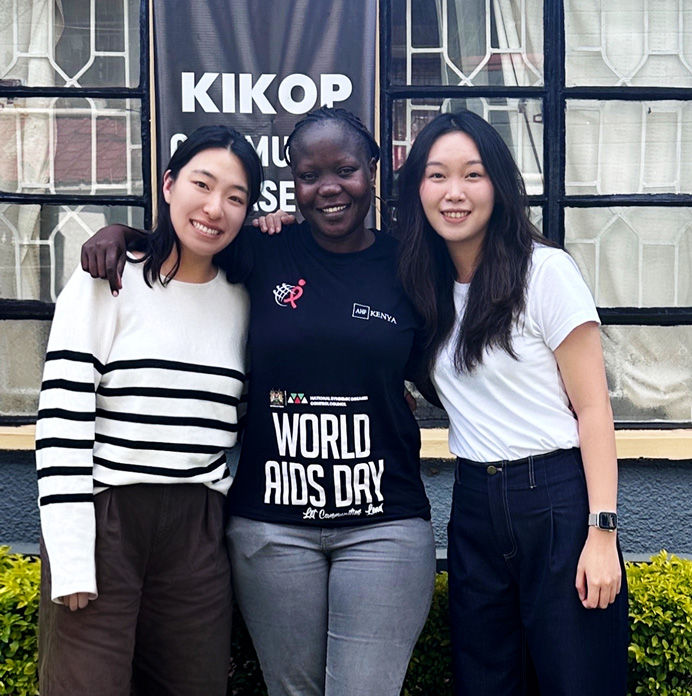
During the summer of 2025, I traveled to Kisii County, Kenya from California, USA to support the KIKOP team on site. My primary responsibility was to digitize over 200 written verbal autopsy reports, clean the data, and analyze the findings.
The verbal autopsy data included demographic information about the deceased, the primary and contributing causes of death, narratives describing the events leading up to death, and relevant health history. I entered the records into Excel, identified missing information and inconsistencies, and conducted initial data cleaning. I then conducted descriptive analyses and prepared a written report and recorded presentation summarizing the findings.
Key Findings from the Report
Most maternal, neonatal, and under-five deaths occurred during the baseline period, with nearly half of deaths across categories recorded before major program implementation. Mortality declined significantly following the baseline year and in later project years, suggesting that community-based interventions implemented through the CBIO+ approach contributed to improved outcomes.
Unsafe abortion was a major contributor to maternal deaths at baseline, often linked to the use of herbal medicines to terminate pregnancies outside the health system. These deaths declined over time, suggesting the potential impact of community education, pregnancy monitoring, and family planning awareness.
Prematurity and prolonged labor were the leading causes of stillbirth, highlighting the importance of timely recognition of labor complications, skilled birth attendance, and early referral to facilities capable of managing pregnancy emergencies.
Prematurity and intrapartum-related complications were the leading causes of neonatal deaths. Most neonatal deaths occurred in the first week of life, emphasizing the importance of skilled birth attendance and immediate newborn care.
Malaria and pneumonia were the primary causes of death among children aged 29 days to under five years, but these deaths declined significantly over the project period, likely reflecting improvements in health education and access to care.
Deaths occurring at home declined over time, indicating improvements in care-seeking behavior and increased use of health facilities for delivery and treatment.
Delays in recognizing danger signs and delays in seeking care were the most common barriers contributing to mortality, while transportation barriers and referral delays also affected outcomes.
What This Means for Programs
The findings highlight several persistent gaps in maternal and child health care in rural Kisii County. Many deaths were linked to preventable conditions and delays in recognizing danger signs and seeking timely care. Although transportation barriers and referral delays also contributed to some deaths, community-level factors, such as limited awareness of pregnancy, neonatal, and childhood danger signs, as well as continued use of herbal medicines, played an important role in shaping health outcomes.
Community-based approaches implemented through KIKOP’s CBIO+ model played an important role in improving health outcomes in these communities. Care Groups activities and routine home visits have been helping families recognize danger signs earlier, encourage timely care-seeking, and promote facility-based delivery and newborn care. Moving forward, interventions should continue to strengthen community education on maternal and neonatal danger signs, safe pregnancy practices, and childhood illness management while also improving coordination with health facilities and transportation to ensure timely and effective care.
A Field Reflection
Working directly with verbal autopsy data made the connection between public health data and the lived experiences of families very clear. Each record represented a story shared by families and caregivers about the events leading up to a death, often revealing how delays in recognizing danger signs, transportation barriers, or limited access to care contributed to the outcome. Visiting KIKOP’s catchment communities and observing routine home visits and Care Group meetings helped me understand how these data are collected and how community trust plays a critical role in mortality surveillance and utilization of services that KIKOP provides in the community. Seeing the strong engagement of the KIKOP team and families reinforced the importance of community-based health programs and being present at the community to make these programs effective. This experience also deepened my appreciation of reliable data systems in identifying preventable causes of death and guiding interventions to improve maternal and child health outcomes.
Looking Ahead
The findings from this analysis highlight the importance of continued mortality surveillance and data-driven program planning in Kisii County. Verbal autopsy data provide valuable insights into the causes and circumstances surrounding maternal, neonatal, and child deaths, and continued collection and analysis of these data will be essential for monitoring trends over time and evaluating the effectiveness of ongoing program activities.
Building on the progress achieved through KIKOP’s community-based approach, future efforts should focus on strengthening community education on danger signs, improving referral and transportation systems, and enhancing the capacity of health facilities to manage obstetric and neonatal complications. Sustained collaboration between community health volunteers, local health facilities, and program partners will be critical to maintaining the reductions in mortality observed in the project area and ensuring continued improvements in maternal and child health outcomes.
Closing
Understanding why deaths occur is a crucial step toward preventing them. Community-based data like verbal autopsies can help translate the individual stories into actionable insights. Through the continued efforts of organizations such as KIKOP and Impact Global Health Alliance, community-driven data can help guide intervention to improve maternal and child health in rural Kenya and other parts of the world where they may experience limited access to health care.


Comments